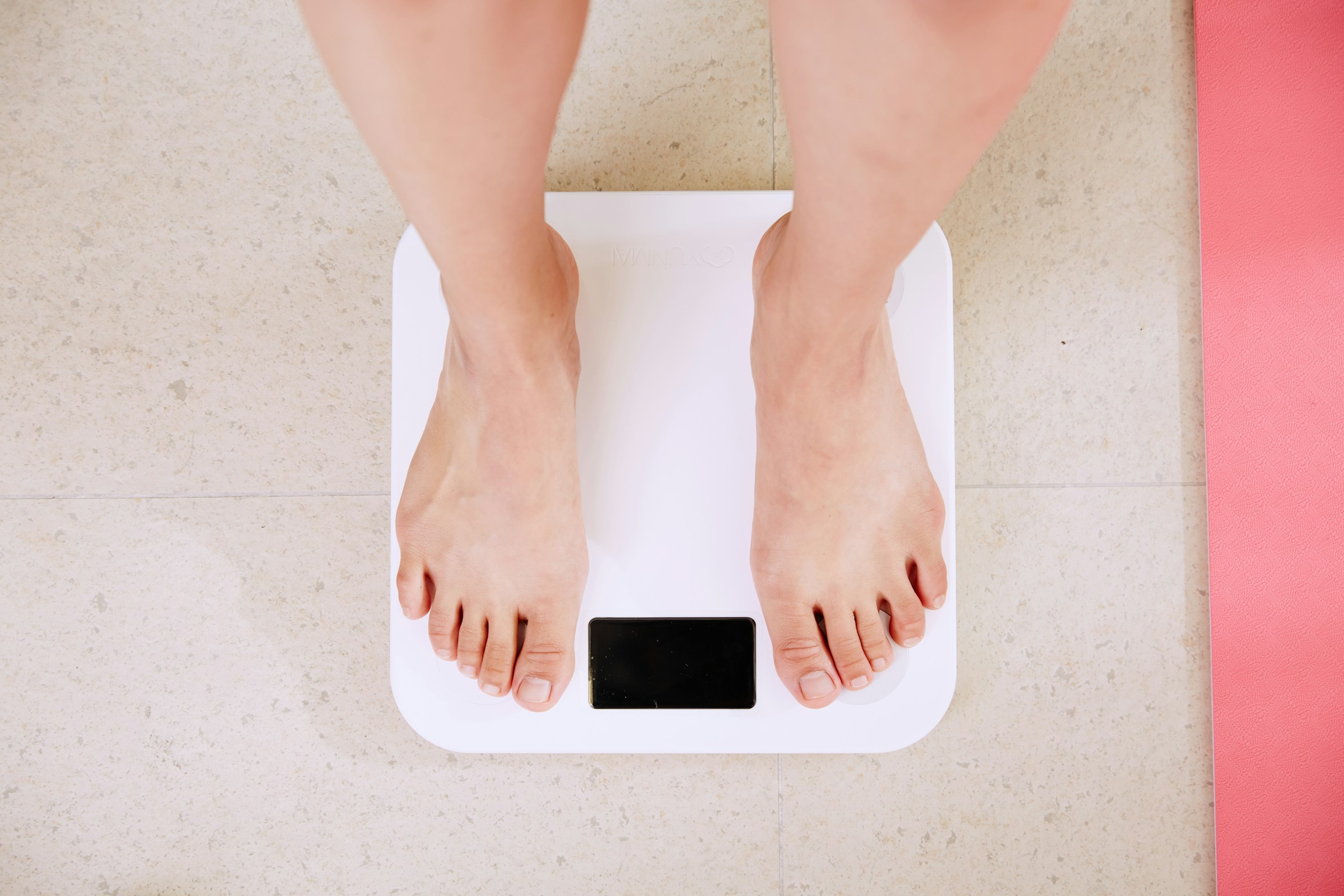
Obesity is a medical crisis. In the United States, over 40% of adults are classified as obese, and the numbers continue to rise. For people with severe obesity (BMI over 40, or BMI over 35 with obesity-related health conditions), bariatric surgery is the most effective treatment available — more effective than diet, exercise, or medication alone.
A landmark meta-analysis of 174,772 participants published in The Lancet in 2021 found that bariatric surgery was associated with a 59% reduction in all-cause mortality among obese adults with type 2 diabetes, and a 30% reduction among those without diabetes. Median life expectancy increased by 9.3 years for diabetic patients and 5.1 years for non-diabetic patients who underwent surgery versus routine care.
These are not cosmetic procedures. They are life-saving interventions backed by decades of clinical evidence.
Yet for many Americans, access remains out of reach. Insurance coverage is inconsistent, out-of-pocket costs can exceed $25,000, and wait times — particularly in public systems like Canada’s and the UK’s — can stretch beyond a year. In Canada, patients wait an average of 12+ months for bariatric surgery through the public healthcare system.
Colombia offers the same procedures, performed by experienced bariatric surgeons in Newsweek-ranked hospitals, with wait times measured in weeks rather than months — and at a fraction of the cost.
Procedures Offered
Gastric Sleeve (Sleeve Gastrectomy)
The gastric sleeve is the most commonly performed bariatric surgery worldwide, according to the American Society for Metabolic and Bariatric Surgery (ASMBS). The procedure involves the removal of approximately 75-85% of the stomach, leaving a small banana-shaped sleeve.
How it works:
- The smaller stomach holds significantly less food, reducing calorie intake
- The removed portion of the stomach produces most of the body’s ghrelin (the “hunger hormone”), so appetite is dramatically reduced
- The procedure alters gut hormone signaling, which improves blood sugar control even before significant weight loss occurs
- Patients typically lose 50-70% of their excess weight over the first two years
Key facts:
- Performed laparoscopically (minimally invasive, 4-5 small incisions)
- Surgery time: 40-90 minutes
- Hospital stay: 1-2 nights
- The procedure is irreversible
- In the USA, total cost typically ranges from $15,000-$25,000 without insurance
Roux-en-Y Gastric Bypass
The gastric bypass has been performed for over 50 years and is one of the most studied surgical procedures in medicine. It creates a small pouch (about the size of an egg) from the upper stomach and connects it directly to the small intestine, bypassing the rest of the stomach and the first portion of the small intestine.
How it works:
- The small pouch restricts food intake
- Bypassing part of the small intestine reduces calorie and nutrient absorption
- The procedure has the strongest evidence for treating type 2 diabetes, often resulting in complete remission
- According to the ASMBS, long-term mortality is reduced by up to 40% compared to non-surgical treatment of obesity
Key facts:
- Performed laparoscopically
- Surgery time: 1-2 hours
- Hospital stay: 2-3 nights
- Requires lifelong vitamin and mineral supplementation (B12, iron, calcium, vitamin D)
- More complex than the gastric sleeve, with a slightly higher complication rate but potentially greater weight loss and metabolic benefits
- In the USA, total cost typically ranges from $20,000-$35,000 without insurance
Which Procedure Is Right for You?
| Factor | Gastric Sleeve | Gastric Bypass |
|---|---|---|
| Average excess weight loss | 50-70% | 60-80% |
| Type 2 diabetes remission | Good | Excellent (strongest evidence) |
| Surgery complexity | Simpler | More complex |
| Surgery time | 40-90 minutes | 1-2 hours |
| Reversibility | No | Technically possible but rarely done |
| Malabsorption risk | No | Yes (requires vitamin supplementation) |
| Acid reflux (GERD) | May worsen or cause new reflux | Typically improves reflux |
| Long-term nutritional needs | Fewer supplements needed | Lifelong supplementation required |
Source: ASMBS Bariatric Surgery Procedures
The choice between sleeve and bypass depends on your BMI, medical history, diabetes status, and personal preferences. Your bariatric surgeon will recommend the procedure best suited to your situation during the consultation process.
Other Weight Loss Procedures
- Duodenal switch (SADI-S / BPD-DS): A more aggressive procedure combining a sleeve gastrectomy with intestinal bypass. Produces the greatest weight loss of any bariatric procedure but carries higher nutritional risk. Typically reserved for patients with BMI over 50.
- Gastric balloon: A non-surgical option in which a silicone balloon is placed in the stomach endoscopically to reduce capacity. Temporary (removed after 6-12 months). Produces less weight loss than surgery but requires no incisions.
- Revision surgery: For patients who have had a previous bariatric procedure that has failed or caused complications. Colombian surgeons are experienced in revising sleeves, bypasses, and lap bands.
Who Is a Candidate?
According to the ASMBS and international guidelines, bariatric surgery is generally indicated for:
- Patients with a BMI of 40 or higher (severe obesity)
- Patients with a BMI of 35-39.9 with at least one obesity-related health condition (type 2 diabetes, hypertension, sleep apnea, heart disease, osteoarthritis, NAFLD)
- Updated 2022 guidelines have expanded eligibility to patients with BMI of 30-34.9 who have type 2 diabetes or metabolic syndrome that is not adequately controlled with medications
Patients must also demonstrate:
- Prior attempts at non-surgical weight loss
- Understanding of the lifelong dietary and lifestyle changes required after surgery
- Psychological readiness and commitment to follow-up care
- No active substance abuse or untreated psychiatric conditions that would impair recovery
Why Colombia for Bariatric Surgery?
Wait times
This is the most compelling reason for many patients. In the USA, patients may wait months for insurance approval and surgical scheduling. In Canada and the UK, publicly funded bariatric surgery wait times regularly exceed 12 months. In Colombia, international patients are typically scheduled within 2-4 weeks of initial consultation.
For a patient with severe obesity and worsening diabetes, those months of waiting are not neutral — they represent continued health deterioration.
Surgical expertise
Colombian bariatric surgeons perform high volumes of sleeve gastrectomies and gastric bypasses. Many have completed fellowship training in the United States or Europe and hold certification from both Colombian and international bariatric surgery societies. Several Colombian hospitals have dedicated bariatric surgery programs with multidisciplinary teams including surgeons, nutritionists, psychologists, and exercise physiologists.
Laparoscopic and robotic surgery
All bariatric procedures at top Colombian hospitals are performed laparoscopically (minimally invasive). Several hospitals also offer robotic-assisted bariatric surgery using the da Vinci surgical system, providing even greater precision and potentially faster recovery.
Comprehensive programs
Bariatric surgery is not just a procedure — it is the beginning of a lifelong journey. Colombia’s top bariatric programs include:
- Pre-operative nutritional counseling: Guidance on the pre-surgical diet (typically 2-4 weeks of a low-calorie or liquid diet before surgery)
- Psychological evaluation: Assessing readiness, identifying potential challenges, and establishing coping strategies
- Post-operative nutrition program: Detailed meal plans for each recovery phase (clear liquids → full liquids → soft foods → regular foods over 6-8 weeks)
- Long-term follow-up: Virtual consultations with your surgeon and nutritionist at 1, 3, 6, and 12 months post-surgery
- Supplement guidance: Especially important after gastric bypass, where lifelong B12, iron, calcium, and vitamin D supplementation is essential
The Process for International Patients
Before you travel
- Virtual consultation: You speak with a bariatric surgeon via video call. You discuss your weight history, current health conditions, prior weight loss attempts, and goals.
- Medical evaluation: Your surgeon may request recent lab work, a cardiac clearance (ECG or stress test), and a psychological evaluation. Some of this can be completed in your home country before traveling.
- Pre-operative diet: Most bariatric programs require a 2-4 week pre-operative diet to shrink the liver, which makes the surgery safer and technically easier. Your nutritionist provides the plan remotely.
- Travel planning: See our Patient Travel Guide for flights, visas, accommodation, and what to pack.
During your stay
| Day | What Happens |
|---|---|
| Day 1 | Arrive in Colombia. Airport pickup. Transfer to hotel or recovery house. |
| Day 2 | In-person consultation with surgeon. Final lab work and pre-operative clearance. |
| Day 3 | Surgery day. Laparoscopic procedure. Hospital stay begins. |
| Days 4-5 | Hospital recovery. Monitored liquid intake. Pain management. Walking begins (critical for recovery). |
| Days 5-7 | Discharge to recovery house or hotel. Clear liquid diet continues. Follow-up appointment with surgeon. |
| Days 8-14 | Gradual transition to full liquids. Light walking. Follow-up appointments. Explore the city gently as energy returns. |
| Day 14 | Final follow-up. Clearance to fly. Detailed nutrition plan for the next 6 weeks at home. |
Total stay in Colombia: typically 10-14 days.
After you return home
- Diet progression: You follow a phased diet plan (clear liquids → full liquids → puree → soft foods → regular foods) over 6-8 weeks
- Virtual follow-ups: Your Colombian surgical team checks in via WhatsApp and video call at regular intervals
- Local care: Your surgeon provides complete medical records. Your primary care doctor at home can monitor your progress, order lab work, and manage any ongoing conditions
- Supplements: You begin lifelong supplementation as prescribed (particularly after gastric bypass)
- Support: Many programs connect you with online patient communities and support groups
What the Evidence Shows
Bariatric surgery is one of the most evidence-based procedures in all of medicine. Key findings from the scientific literature:
- Weight loss: Patients lose an average of 50-70% of excess weight after gastric sleeve and 60-80% after gastric bypass, with most weight loss occurring in the first 12-18 months (ASMBS)
- Diabetes remission: Up to 80% of patients with type 2 diabetes achieve complete remission or significant improvement after gastric bypass. The improvement often begins within days of surgery, before significant weight loss occurs
- Mortality reduction: Bariatric surgery reduces all-cause mortality by 30-59% compared to non-surgical management of obesity (Lancet, 2021)
- Complication rate: Modern laparoscopic bariatric surgery has a complication rate lower than that of gallbladder removal, hysterectomy, and hip replacement, according to the ASMBS
- Resolution of comorbidities: Hypertension improves or resolves in 60-80% of patients. Sleep apnea resolves in over 80%. Joint pain, fatty liver disease, and depression all show significant improvement
How to Choose a Bariatric Surgeon in Colombia
- Board certification: Your surgeon should be certified by the Colombian Association of Surgery and hold specific training in bariatric and metabolic surgery. Membership in the International Federation for the Surgery of Obesity and Metabolic Disorders (IFSO) is an additional indicator of international-caliber training.
- Volume: Ask how many bariatric procedures your surgeon performs per year. High-volume surgeons (100+ annually) are associated with better outcomes and lower complication rates.
- Hospital accreditation: Your surgery should be performed in a JCI-accredited hospital or a facility with equivalent accreditation. Verify the hospital has a dedicated bariatric surgery program, not just a surgeon who performs the procedure occasionally.
- Multidisciplinary team: A quality bariatric program includes a nutritionist, psychologist, and exercise specialist in addition to the surgeon. Surgery alone is not enough — comprehensive support is essential for long-term success.
- Outcomes data: Ask your surgeon about their complication rates, 30-day readmission rates, and long-term outcomes. Reputable surgeons are transparent about their results.
- Before-and-after stories: Request testimonials or references from previous international patients.
Recovery and Lifestyle Changes
Bariatric surgery is a tool, not a cure. Long-term success depends on permanent lifestyle changes:
- Eating habits: Small portions, high protein, minimal sugar and refined carbohydrates. Eating slowly and chewing thoroughly. Separating eating and drinking (no liquids 30 minutes before or after meals).
- Exercise: Regular physical activity (walking, swimming, strength training) is essential for maintaining weight loss and building muscle. Most programs recommend 150+ minutes of moderate exercise per week.
- Supplements: Lifelong for bypass patients. Periodic blood work to check nutrient levels.
- Mental health: The psychological relationship with food changes significantly after surgery. Professional support is recommended, especially in the first year.
- Follow-up: Regular check-ups with your medical team for the first 2 years, and annual monitoring thereafter.
Colombia’s recovery environment supports these changes. Medellín’s year-round spring climate (70-78°F) makes daily walking comfortable from the first days of recovery. Fresh, affordable, healthy food is abundant. The city’s outdoor culture encourages physical activity. Many patients describe their recovery in Medellín as the beginning of a healthier lifestyle, not just a medical trip. Read more about why patients love Colombia.
Safety and Risks
All surgery carries risk. Bariatric surgery complications can include:
- Leak: A leak at the staple line (gastric sleeve) or surgical connection (bypass) is the most serious acute complication, occurring in approximately 1-3% of cases. This rate is reduced with experienced, high-volume surgeons.
- Blood clots (DVT/PE): Risk is mitigated by early mobilization (walking within hours of surgery), compression stockings, and blood thinners.
- Stricture: Narrowing at the surgical site that can cause difficulty swallowing. Treatable with endoscopic dilation.
- Nutritional deficiency: Particularly after bypass. Managed with supplementation and regular blood work.
- Gallstones: Rapid weight loss increases gallstone risk. Some surgeons recommend preventive gallbladder removal during the bariatric procedure.
The overall mortality rate for laparoscopic bariatric surgery is approximately 0.1-0.3% — comparable to or lower than gallbladder removal.
Choosing a high-volume, board-certified surgeon in an accredited facility is the single most important thing you can do to minimize risk. For more on safety in Colombia, see our guide: Is Colombia Safe for Medical Tourists?
Your Next Step
If you are considering bariatric surgery, the first step is a consultation with a qualified surgeon. This conversation covers your medical history, your weight loss goals, which procedure may be most appropriate, and what to expect throughout the process.
This initial consultation is free and conducted via video call. There is no commitment. Just an honest conversation about whether surgery is right for you, and whether Colombia is the right place to have it.
Learn more about how the entire process works, step by step.
