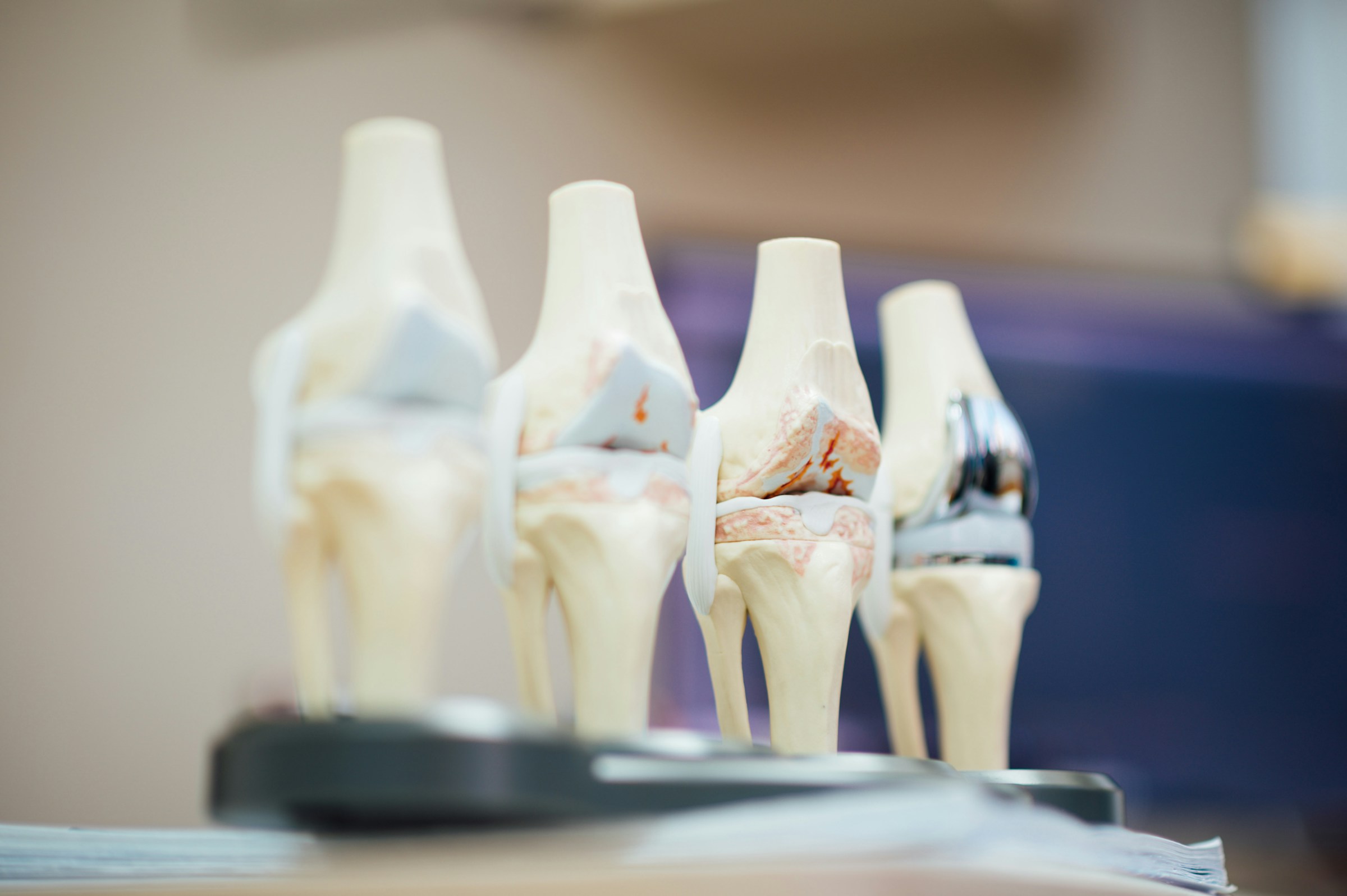
Orthopedic conditions are among the leading causes of chronic pain and disability worldwide. Osteoarthritis alone affects over 500 million people globally, and for millions of those patients, joint replacement surgery is the only effective long-term solution.
In the United States, a total knee replacement costs $35,000-$50,000. A hip replacement runs $32,000-$45,000. Spinal fusion can exceed $100,000. And even with insurance, copays and deductibles can leave patients with bills of $10,000-$20,000 out of pocket.
Wait times compound the problem. In the US, patients may wait weeks to months for surgical scheduling. In Canada, the median wait time for orthopedic surgery is over 40 weeks according to the Fraser Institute. In the UK’s NHS, wait times of 6-12 months are common for elective joint replacement.
Every week of waiting is a week of pain, reduced mobility, muscle atrophy, and declining quality of life.
Colombia offers the same orthopedic procedures — performed by fellowship-trained surgeons using the same implant systems in Newsweek-ranked hospitals — with wait times measured in weeks, not months.
Procedures Offered
Total Knee Replacement (Knee Arthroplasty)
Knee replacement is a surgical procedure in which the damaged weight-bearing surfaces of the knee joint are replaced with metal and plastic components. It is most commonly performed for advanced osteoarthritis where conservative treatments (physical therapy, injections, medications) have failed to provide adequate relief.
Key facts:
- Approximately 82% of total knee replacements last 25 years or more
- Surgery time: 1-2 hours
- Hospital stay: 1-3 days
- Full recovery: 3-6 months (most patients walk with a cane within 2-3 weeks)
- In the USA, total cost ranges from $35,000-$50,000
- Colombian orthopedic surgeons use the same implant brands: Stryker, Zimmer Biomet, DePuy Synthes (Johnson & Johnson), and Smith & Nephew
Modern knee replacement in Colombia is performed using minimally invasive techniques with smaller incisions, less tissue disruption, and faster recovery. Many Colombian orthopedic surgeons also offer robotic-assisted knee replacement using the Mako (Stryker) or ROSA (Zimmer Biomet) systems, which provide sub-millimeter accuracy in component positioning.
Total Hip Replacement (Hip Arthroplasty)
Hip replacement involves replacing the damaged hip joint — both the ball (femoral head) and the socket (acetabulum) — with prosthetic components. Like knee replacement, it is most commonly performed for osteoarthritis, though it is also used for hip fractures, rheumatoid arthritis, and avascular necrosis.
Key facts:
- Approximately 58% of total hip replacements last 25 years or more
- Surgery time: 1-2 hours
- Hospital stay: 1-3 days
- Full recovery: 3-6 months (most patients are walking within 24 hours)
- In the USA, total cost ranges from $32,000-$45,000
- The anterior approach (through the front of the hip) is increasingly used in Colombia, offering faster recovery and less muscle damage than the traditional posterior approach
Partial Knee Replacement (Unicompartmental)
For patients whose arthritis is limited to one compartment of the knee (medial, lateral, or patellofemoral), a partial knee replacement replaces only the damaged portion while preserving healthy bone and ligaments. This results in a more natural-feeling knee, faster recovery, and smaller incision compared to total knee replacement.
Not every patient is a candidate — the ligaments must be intact and arthritis must be confined to one compartment. Your surgeon will determine candidacy through imaging and physical examination.
Spine Surgery
Colombian orthopedic and neurosurgical teams perform a full range of spine procedures:
- Spinal fusion: Joining two or more vertebrae to eliminate motion and pain at that segment. Used for degenerative disc disease, spondylolisthesis, and spinal instability. In the USA, spinal fusion costs $50,000-$100,000+.
- Discectomy / microdiscectomy: Removing herniated disc material that is compressing a nerve root, causing sciatica. A common procedure with high success rates for pain relief.
- Laminectomy: Removing part of the vertebral bone (lamina) to relieve pressure on the spinal cord or nerves. Used for spinal stenosis.
- Artificial disc replacement: A motion-preserving alternative to spinal fusion, where the damaged disc is replaced with an artificial device. Maintains flexibility at the treated level.
Many spine procedures in Colombia are performed using minimally invasive techniques with tubular retractors, microscope or endoscopic visualization, and navigation systems that reduce tissue damage and speed recovery.
Sports Medicine and Arthroscopy
- ACL reconstruction: Rebuilding the torn anterior cruciate ligament using a tendon graft. In the USA, total cost ranges from $20,000-$40,000.
- Rotator cuff repair: Surgical repair of torn shoulder tendons, performed arthroscopically (through small incisions with a camera).
- Meniscus repair or removal: Treating torn meniscus cartilage in the knee.
- Shoulder labrum repair (Bankart/SLAP): Repairing the cartilage ring around the shoulder socket, commonly damaged in dislocations or repetitive overhead movements.
- Achilles tendon repair: Surgical repair of a ruptured Achilles tendon.
Why Colombia for Orthopedic Surgery?
The same implants
This is the most important point. The Stryker Triathlon knee implant placed in your knee in Medellín is manufactured in the same factory, to the same specifications, with the same ISO certifications, as the one placed in Houston or London. The Zimmer Biomet hip stem used in Bogotá is identical to the one used at the Hospital for Special Surgery in New York.
Implant manufacturers are global companies. They do not make inferior products for developing markets. A Colombian surgeon ordering a DePuy Synthes knee system receives exactly the same product as an American surgeon ordering from the same catalog.
Surgical expertise
Colombian orthopedic surgeons complete a minimum of 12-13 years of training: 6 years of medical school, 4 years of orthopedic surgery residency, and 1-3 years of subspecialty fellowship. Many of Colombia’s top joint replacement and spine surgeons have completed fellowship training at leading institutions in the United States, Europe, or Brazil.
Several Colombian hospitals have dedicated orthopedic centers of excellence with high-volume joint replacement programs. High surgical volume is strongly correlated with better outcomes in joint replacement surgery — this is well established in the orthopedic literature on volume-outcome relationships.
Robotic and computer-assisted surgery
Multiple hospitals in Colombia offer robotic-assisted joint replacement using the Mako robotic arm (Stryker) or ROSA Knee system (Zimmer Biomet). These systems use CT-based 3D modeling of the patient’s anatomy to create a patient-specific surgical plan, and the robotic arm provides real-time guidance during bone cuts, ensuring implant alignment accuracy within fractions of a degree.
Robotic-assisted surgery is not available at every hospital in the US either — many American patients do not have access to it locally. In Colombia, several major orthopedic centers offer it as standard, often at no additional cost beyond the base procedure.
Wait times
International patients in Colombia are typically seen for an initial consultation within 1-2 weeks and scheduled for surgery within 2-4 weeks. Compare this to months of waiting in the US, and over 40 weeks in Canada.
For patients in severe pain, reduced mobility, and watching their muscle mass deteriorate while waiting for a surgery date, the ability to act quickly is not a luxury — it is a medical necessity.
Rehabilitation
Post-surgical rehabilitation is critical for orthopedic outcomes. Colombian hospitals and recovery facilities offer comprehensive physical therapy programs, often beginning the day of surgery. International patients can attend daily physical therapy sessions during their 2-3 week recovery period in Colombia, establishing the movement patterns and strength foundation needed for continued recovery at home.
Medellín’s year-round temperate climate (70-78°F) is ideal for orthopedic recovery. Patients can walk outdoors comfortably every day — there is no winter weather to contend with, no icy sidewalks, and no extreme heat that causes swelling.
The Process for International Patients
Before you travel
- Virtual consultation: You share your imaging (X-rays, MRI) and medical history with an orthopedic specialist via video call. The surgeon evaluates your condition, confirms that surgery is indicated, and recommends the appropriate procedure and implant system.
- Pre-operative preparation: Your surgeon may request updated blood work, cardiac clearance (ECG), and medical clearance from your primary care doctor. If you are on blood thinners, you will receive instructions on when to stop them before surgery.
- Implant selection: Your surgeon discusses implant options — brand, material (cobalt-chrome, titanium, ceramic, polyethylene), and fixation method (cemented vs. cementless). You participate in this decision.
- Travel planning: See our Patient Travel Guide for complete logistics information.
During your stay
| Day | What Happens |
|---|---|
| Day 1 | Arrive in Colombia. Airport pickup. Transfer to hotel or recovery house. |
| Day 2 | In-person consultation and pre-operative evaluation. Final imaging if needed. Surgical plan confirmed. |
| Day 3 | Surgery day. Admission to hospital. Procedure performed under spinal or general anesthesia. |
| Days 4-5 | Hospital recovery. Physical therapy begins (typically day of surgery or day 1 post-op). Walking with assistance. Pain management. |
| Days 5-7 | Discharge to recovery house or hotel. Daily physical therapy continues. Walking with walker or cane. |
| Days 8-14 | Continued physical therapy. Increasing mobility. Follow-up with surgeon. Wound check and staple/suture removal. |
| Days 14-21 | Final follow-up appointment. Clearance to fly. Home exercise program provided. Transition to outpatient PT at home. |
Total stay: typically 14-21 days for joint replacement. Arthroscopic procedures (ACL, meniscus, rotator cuff) require a shorter stay of 7-10 days.
After you return home
- Continue physical therapy with a local therapist (your Colombian surgeon provides a detailed PT protocol)
- Virtual follow-up consultations at 6 weeks, 3 months, and 1 year post-surgery
- Complete medical records and implant documentation provided (implant brand, model, lot number, size — essential for any future imaging or medical procedures)
- Any local orthopedic surgeon can provide continuity of care using these records
Conditions Treated
| Condition | Common Procedures |
|---|---|
| Osteoarthritis | Total or partial knee replacement, hip replacement, stem cell therapy |
| Rheumatoid arthritis | Joint replacement, synovectomy |
| Avascular necrosis | Hip replacement, core decompression |
| Degenerative disc disease | Spinal fusion, disc replacement, microdiscectomy |
| Herniated disc | Microdiscectomy, laminectomy |
| Spinal stenosis | Laminectomy, spinal fusion |
| ACL tear | ACL reconstruction |
| Rotator cuff tear | Arthroscopic repair |
| Meniscus tear | Arthroscopic repair or partial meniscectomy |
| Hip fracture | Hip replacement or internal fixation |
| Failed previous joint replacement | Revision surgery |
How to Choose an Orthopedic Surgeon in Colombia
- Subspecialty training: Orthopedic surgery is broad. For joint replacement, you want a surgeon who specializes in arthroplasty. For spine surgery, you want a spine-fellowship-trained orthopedic surgeon or neurosurgeon. For sports injuries, a sports medicine specialist. Ask specifically about their fellowship training.
- Volume: Ask how many of your specific procedure the surgeon performs per year. For joint replacement, look for 100+ per year. Higher volume is directly associated with lower complication rates and better functional outcomes.
- Implant transparency: Your surgeon should be willing to tell you exactly which implant system they plan to use, the manufacturer, and why they prefer it. Be cautious of surgeons who are vague about implant selection.
- Hospital accreditation: Orthopedic surgery should be performed in a fully equipped hospital (not an outpatient surgical center) with an ICU, blood bank, and 24/7 anesthesiology and emergency coverage. JCI accreditation or equivalent is strongly preferred.
- Rehabilitation program: Ask whether physical therapy begins on the day of surgery, how many PT sessions are included during your stay, and whether the surgeon provides a detailed home exercise protocol for continued rehabilitation.
- Outcomes data: Ask about complication rates, infection rates, and patient satisfaction scores. Reputable surgeons track and share this data.
Joint Replacement vs Stem Cell Therapy
Patients with knee or hip osteoarthritis may wonder whether stem cell therapy could replace the need for joint replacement surgery. The honest answer depends on the severity of the condition:
- Mild to moderate osteoarthritis (Kellgren-Lawrence grade 1-2): Stem cell therapy may reduce pain, improve function, and delay or avoid joint replacement. This is where regenerative medicine has its strongest evidence.
- Moderate to severe osteoarthritis (grade 3): Stem cell therapy may provide temporary relief but is unlikely to reverse the condition. Joint replacement will likely be needed eventually.
- Severe osteoarthritis (grade 4, bone-on-bone): Joint replacement is the appropriate treatment. Stem cell therapy is not a substitute when significant structural damage has occurred.
Colombia offers both options, and a good specialist will be honest about which approach is right for your specific situation. Some patients choose stem cell therapy first to delay surgery, and if the result is insufficient, proceed with joint replacement later.
Safety and Risks
Joint replacement and spine surgery are among the most commonly performed surgical procedures in the world, with well-documented safety profiles. Potential risks include:
- Infection: Occurs in 1-2% of joint replacements. Risk is minimized by sterile surgical protocols, prophylactic antibiotics, and laminar airflow operating rooms (available at top Colombian hospitals).
- Blood clots (DVT/PE): Managed with early mobilization, compression devices, and blood thinners.
- Implant loosening or wear: A long-term consideration. Modern implant materials and designs have significantly extended implant longevity (82% of knee replacements last 25+ years).
- Nerve or blood vessel injury: Rare, particularly with experienced surgeons and image-guided or robotic-assisted techniques.
- Stiffness: Managed with aggressive physical therapy during the early recovery period.
Choosing a high-volume, fellowship-trained surgeon in an accredited facility with a comprehensive rehabilitation program is the most effective way to minimize risk. For more on safety in Colombia, read our guide: Is Colombia Safe for Medical Tourists?
Flying After Joint Replacement
A common concern: is it safe to fly after surgery? Guidelines vary by surgeon, but general recommendations are:
- Knee replacement: Most surgeons clear patients to fly 2-3 weeks post-surgery
- Hip replacement: 2-3 weeks post-surgery (anterior approach may allow earlier clearance)
- Spine surgery: 2-4 weeks depending on procedure complexity
- Arthroscopic procedures: 5-7 days
For the flight home, your surgeon will recommend compression stockings, blood thinners (if prescribed), regular in-flight movement, an aisle seat for easy mobility, and possibly a brief layover to break up long flights.
Your Next Step
If you are living with chronic joint pain, a failed knee or hip, or a spine condition that is limiting your life, the first step is a consultation with an orthopedic specialist. Share your imaging (X-rays, MRI) and medical history, and receive an honest assessment of your options.
This consultation is free, conducted via video call, and there is no commitment. Learn about how the full process works, or read more about why patients choose Colombia and the cost savings available.
