Dental care in the United States is extraordinarily expensive. The average American with dental insurance has an annual maximum benefit of just $1,000-$2,000 — a cap that has barely changed since the 1960s, despite costs rising dramatically. For major dental work — implants, veneers, full mouth restorations — insurance covers a fraction of the total, leaving patients with bills of $20,000, $40,000, or more out of pocket.
This is why dental tourism is the fastest-growing segment of medical tourism worldwide. And Colombia is quickly becoming one of the top destinations.
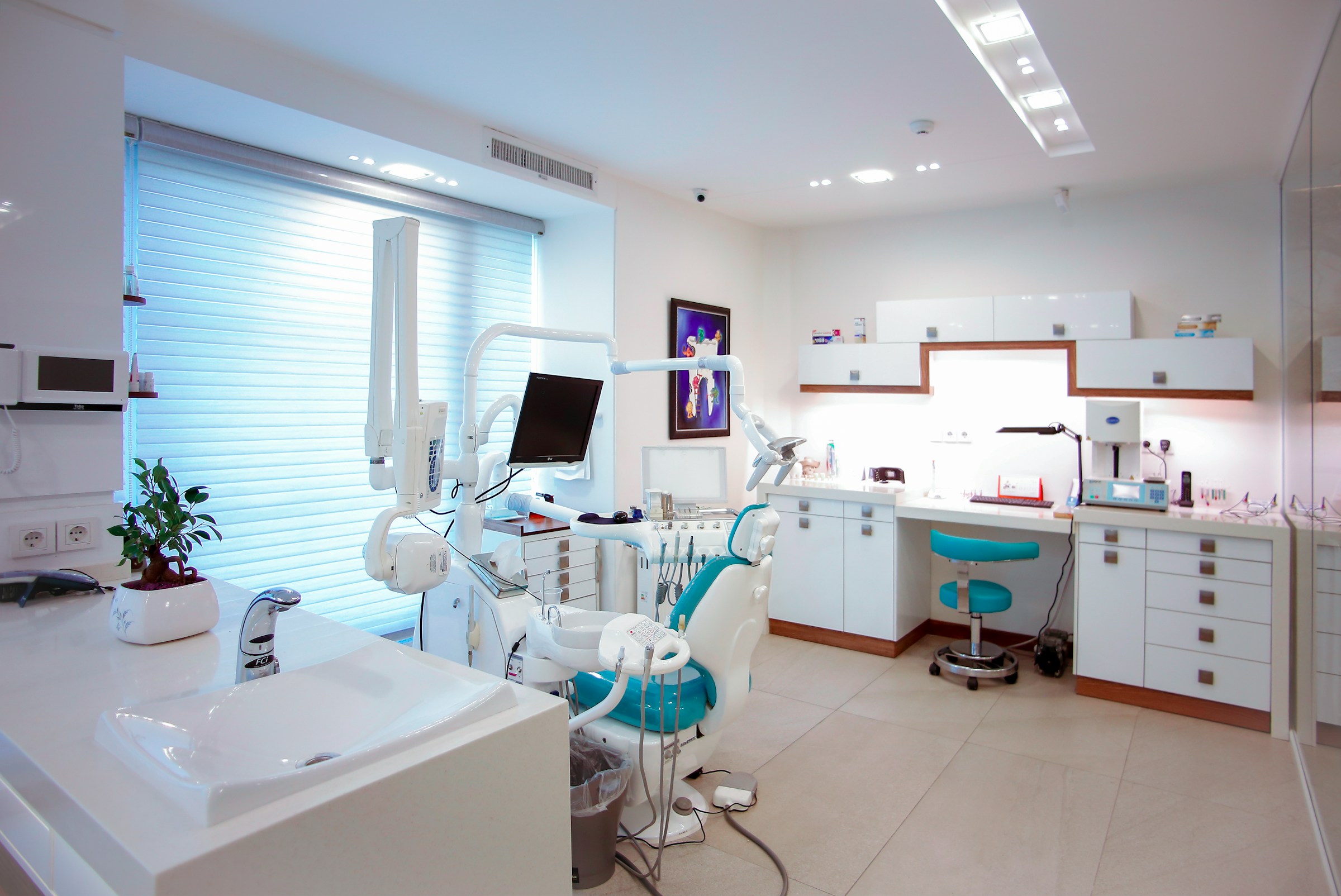
Colombian dental clinics use the same implant systems, porcelain materials, and digital technology as the best practices in the United States and Europe. The dentists are rigorously trained, many holding advanced specializations in prosthodontics, periodontics, or oral surgery. The clinics are modern, often equipped with same-day CAD/CAM fabrication, 3D cone beam CT scanning, and digital smile design technology.
The difference is the cost. The same work that would cost $30,000+ in the United States typically costs a fraction of that in Colombia — even after accounting for flights and accommodation.
Popular Dental Procedures in Colombia
Dental Implants
A dental implant is a titanium or zirconia post that is surgically placed into the jawbone to replace a missing tooth root. Once the implant integrates with the bone (a process called osseointegration, typically taking 3-6 months), a custom crown is attached to the implant, creating a permanent replacement tooth that looks, feels, and functions like a natural tooth.
Dental implants have a documented success rate of over 95% at 10 years, making them the gold standard for tooth replacement.
What to know about implants in Colombia:
- Colombian dental clinics use the same implant brands available in the USA and Europe: Straumann (Swiss), Nobel Biocare (Swedish), ZimVie (formerly Zimmer Biomet), and others
- Implant placement is performed by specialists in oral surgery or periodontics, not general dentists
- 3D cone beam CT scanning is used to plan implant placement with millimeter precision
- Many clinics offer guided implant surgery using custom 3D-printed surgical guides for even greater accuracy
- In the USA, a single dental implant (implant + abutment + crown) typically costs $3,000-$6,000
All-on-4 and Full Mouth Implants
The All-on-4 concept, developed by Nobel Biocare, is a full-arch restoration that replaces all teeth in the upper or lower jaw using just four strategically placed implants. A fixed prosthesis with 10-14 teeth is attached to the implants, typically within 24 hours of surgery.
This procedure is a game-changer for patients who are missing most or all of their teeth, or who have teeth that are failing due to decay or gum disease. It eliminates the need for removable dentures and provides a permanent, fixed set of teeth.
What to know:
- All-on-4 in the USA typically costs $20,000-$40,000 per arch ($40,000-$80,000 for both upper and lower)
- The procedure requires 2-3 visits to Colombia (initial surgery + temporary teeth, then return after healing for final prosthesis) — OR some clinics now offer same-day protocols with temporary fixed teeth placed immediately
- Colombian clinics commonly use the latest CAD/CAM milled titanium bar frameworks for long-term durability
- Materials include zirconia, PMMA, or porcelain-fused-to-metal options depending on the clinical situation and patient preference
Porcelain Veneers
A dental veneer is a thin shell of porcelain or composite material bonded to the front surface of a tooth to improve its appearance. Veneers can correct discoloration, chips, gaps, misalignment, and worn-down teeth. A full set of veneers (typically 8-20 teeth) creates a dramatic improvement in smile aesthetics.
What to know:
- In the USA, a single porcelain veneer costs $1,000-$2,500. A full set of 20 veneers can cost $20,000-$50,000
- Colombian clinics use the same premium materials: IPS e.max (lithium disilicate), zirconia, and feldspathic porcelain
- Digital Smile Design (DSD) technology allows you to preview your new smile before any work begins
- Porcelain veneers are fabricated by skilled dental technicians in on-site or partner laboratories. The quality of the lab work is critical — ask to see the clinic’s portfolio of completed veneer cases
- A full veneer case in Colombia typically requires 5-10 days: consultation and preparation on days 1-2, lab fabrication over 3-5 days, and bonding on the final visit
Dental Crowns
A crown is a cap placed over a damaged, decayed, or weakened tooth to restore its shape, strength, and appearance. Modern crowns are made from porcelain, zirconia, or porcelain-fused-to-metal (PFM) and are virtually indistinguishable from natural teeth.
What to know:
- In the USA, a single crown costs $1,000-$3,000
- Many Colombian clinics have in-house CEREC or similar CAD/CAM milling machines that can fabricate a crown in hours rather than weeks
- Zirconia crowns (the strongest and most aesthetic option) are widely available in Colombia
Other Common Procedures
- Root canal therapy: Performed by endodontic specialists using modern rotary instruments and apex locators. In the USA, a root canal + crown typically costs $2,000-$4,000
- Dental bridges: Fixed prosthetics that span one or more missing teeth, anchored to adjacent natural teeth or implants
- Gum treatment (periodontics): Deep cleaning, gum grafting, and bone grafting for patients with periodontal disease
- Teeth whitening: Professional in-office whitening using Zoom or similar systems
- Orthodontics: Braces and clear aligners (Invisalign) are available, though the treatment timeline (12-24 months) makes this less suited to dental tourism unless you plan extended stays or multiple trips
Why Colombia for Dental Work?
The same materials, different economics
This is the point that matters most. The Straumann implant placed in your jaw in Medellín is the exact same implant that would be placed in New York or Los Angeles. It comes from the same factory, meets the same ISO standards, and carries the same warranty. The IPS e.max veneer fabricated in a Colombian dental lab uses the same porcelain blocks from the same manufacturer (Ivoclar Vivadent) as the lab in Beverly Hills.
The cost difference is not about materials. It is about the same economic factors that make all medical procedures less expensive in Colombia: lower overhead, lower labor costs, lower malpractice insurance, and a direct-pay model that eliminates insurance administration waste.
Specialist care, not general dentistry
In the United States, it is increasingly common for general dentists to place implants and perform procedures outside their core training. In Colombian dental clinics that serve international patients, procedures are typically performed by the appropriate specialist:
- Implant placement: Oral surgeon or periodontist
- Crown and veneer fabrication: Prosthodontist
- Root canals: Endodontist
- Gum treatment: Periodontist
This specialist model means the person performing your procedure has done it thousands of times, not occasionally.
Technology
Top Colombian dental clinics are equipped with:
- 3D cone beam CT (CBCT): Provides detailed 3D images of your jawbone, teeth, and nerves for precise treatment planning
- Digital impressions (intraoral scanners): Replaces the uncomfortable putty impressions of the past with a digital scan that is more accurate
- CAD/CAM milling: Computer-designed, machine-fabricated crowns and restorations that can be produced in hours
- Digital Smile Design (DSD): Software that allows you to see a simulation of your final result before treatment begins
- Surgical guides: 3D-printed guides for implant placement that ensure millimeter accuracy
Dental Tourism Cities in Colombia
Medellín
Medellín has the largest concentration of dental clinics serving international patients. The El Poblado and Laureles neighborhoods have multiple clinics within walking distance of hotels, restaurants, and recovery accommodations. The year-round spring climate makes recovery comfortable. Most international dental tourists stay in Medellín.
Bogotá
The capital has Colombia’s largest medical infrastructure, including several Newsweek-ranked hospitals with dental departments. Bogotá is a good option for patients combining dental work with other medical procedures. The Usaquén and Zona T neighborhoods are popular with international patients.
Cartagena
Cartagena has a growing dental tourism scene, with several clinics in the Old City and Bocagrande areas. The Caribbean beach setting makes it an attractive option for patients who want to combine dental work with a vacation. Several Cartagena dentists already appear in Google autocomplete for dental tourism searches, indicating established international patient bases.
Cali
Cali has a smaller dental tourism market but offers excellent value and world-class medical facilities including Fundación Valle del Lili, the top-ranked hospital in Colombia.
The Dental Tourism Process
Before you travel
- Initial consultation (virtual): Send your dental X-rays or panoramic radiograph to the clinic. Many clinics will ask for a CBCT scan, which you can get at a local imaging center. The dentist reviews your case and provides a preliminary treatment plan.
- Treatment plan and timeline: You receive a detailed plan including which procedures are needed, the materials that will be used, how many visits are required, and how many days you need in Colombia.
- Book your trip: See our Patient Travel Guide for flights, visas, accommodation, and what to pack.
During your visit
A typical dental tourism trip for major work (implants, veneers, or full mouth restoration) follows this timeline:
| Day | What Happens |
|---|---|
| Day 1 | Arrive. In-person consultation. Updated CBCT scan and digital impressions. Final treatment plan confirmed. |
| Day 2 | Preparation work begins (tooth preparation for veneers/crowns, extractions if needed, implant placement). |
| Days 3-5 | Lab fabrication of restorations. You are free to explore the city. Temporary restorations are placed if needed. |
| Days 6-8 | Final restorations are placed and adjusted. Bite check and polish. Final photos and records. |
| Day 8-10 | Final follow-up appointment. Clearance to travel. Home care instructions. |
Simple procedures (a few crowns, teeth whitening) may only require 3-5 days. Full mouth restorations or multi-implant cases may require 10-14 days or a two-trip protocol (implant placement on trip 1, final restoration on trip 2 after healing).
How to Choose a Dental Clinic in Colombia
- Check credentials. Your treating dentist should hold a specialist degree (especialista) in the relevant field — prosthodontics for veneers and crowns, periodontics or oral surgery for implants. Verify through the Colegio Colombiano de Odontólogos or ask the clinic directly for documentation.
- Ask about implant brands. Reputable clinics use globally recognized implant systems (Straumann, Nobel Biocare, ZimVie, Neodent by Straumann). Be cautious of clinics that use unbranded or unknown implant systems — cheaper implants may save money upfront but carry higher long-term failure risk.
- Review the lab. Ask where your restorations are fabricated. In-house labs offer faster turnaround and tighter quality control. If the lab is external, ask about its certifications and the materials used.
- Request before-and-after photos. A good dental clinic will have an extensive portfolio of completed cases, particularly for veneers and full mouth restorations.
- Understand the warranty. Many Colombian dental clinics offer warranties on implants (often 10+ years on the implant itself) and restorations (2-5 years on crowns and veneers). Ask for this in writing.
- Read reviews. Look for Google Reviews, Trustpilot reviews, or references from previous international patients. Reddit threads on dental tourism in Colombia can also provide candid, unfiltered feedback.
Two-Trip vs Single-Trip Protocols
Some dental procedures can be completed in a single trip. Others require two visits. Here is the breakdown:
| Procedure | Single Trip? | Notes |
|---|---|---|
| Veneers (full set) | Yes | 7-10 days typically sufficient |
| Crowns (multiple) | Yes | 5-7 days for CAD/CAM fabrication |
| Single implant with immediate crown | Sometimes | Depends on bone quality and implant stability |
| Multiple implants + crowns | Usually 2 trips | Trip 1: implant placement. Trip 2 (3-6 months later): final crowns after osseointegration |
| All-on-4 | Sometimes | Some clinics place temporary fixed teeth on day of surgery, with final prosthesis made on second trip |
| Root canals + crowns | Yes | 5-7 days |
| Teeth whitening | Yes | 1-2 visits |
For patients requiring two trips, the total cost including both flights and accommodation is still dramatically less than the US price for the same work.
What About Follow-Up Care at Home?
One of the most common concerns about dental tourism is aftercare. What happens if something goes wrong after you return home?
- Most dental restorations do not require post-placement follow-up beyond routine dental visits. Veneers, crowns, and implant crowns are permanent. Once placed and adjusted, they function like natural teeth. Your regular dentist at home can perform routine cleanings and check-ups.
- Colombian clinics provide complete records. You receive X-rays, treatment notes, material specifications (including implant brand, lot number, and dimensions), and photographs. This allows any dentist anywhere in the world to provide continuity of care.
- Virtual follow-up is standard. Clinics communicate via WhatsApp and video call for any post-treatment questions or concerns.
- Warranty work: If a restoration fails within the warranty period, the clinic will typically cover the cost of the replacement. You would only need to pay for travel.
Safety Considerations
- Infection control: Reputable Colombian dental clinics follow the same sterilization protocols as US practices, including autoclave sterilization of instruments, single-use disposables, and adherence to universal precautions.
- Anesthesia: For surgical procedures (implant placement, extractions), ask whether anesthesia is administered by a trained anesthesiologist or the dentist. For complex cases, a separate anesthesiologist is preferred.
- Avoid street-level clinics. As with any country, there is a range of quality. Stick to clinics that specifically serve international patients, have strong online reviews, and can provide verifiable credentials and portfolios.
For broader safety information about traveling to Colombia, read our guide: Is Colombia Safe for Medical Tourists?
Your Next Step
Start with a virtual consultation. Send your X-rays or panoramic radiograph, describe what you are looking to achieve, and receive a preliminary treatment plan from a specialist.
Learn more about why international patients choose Colombia or see how the entire process works, step by step.