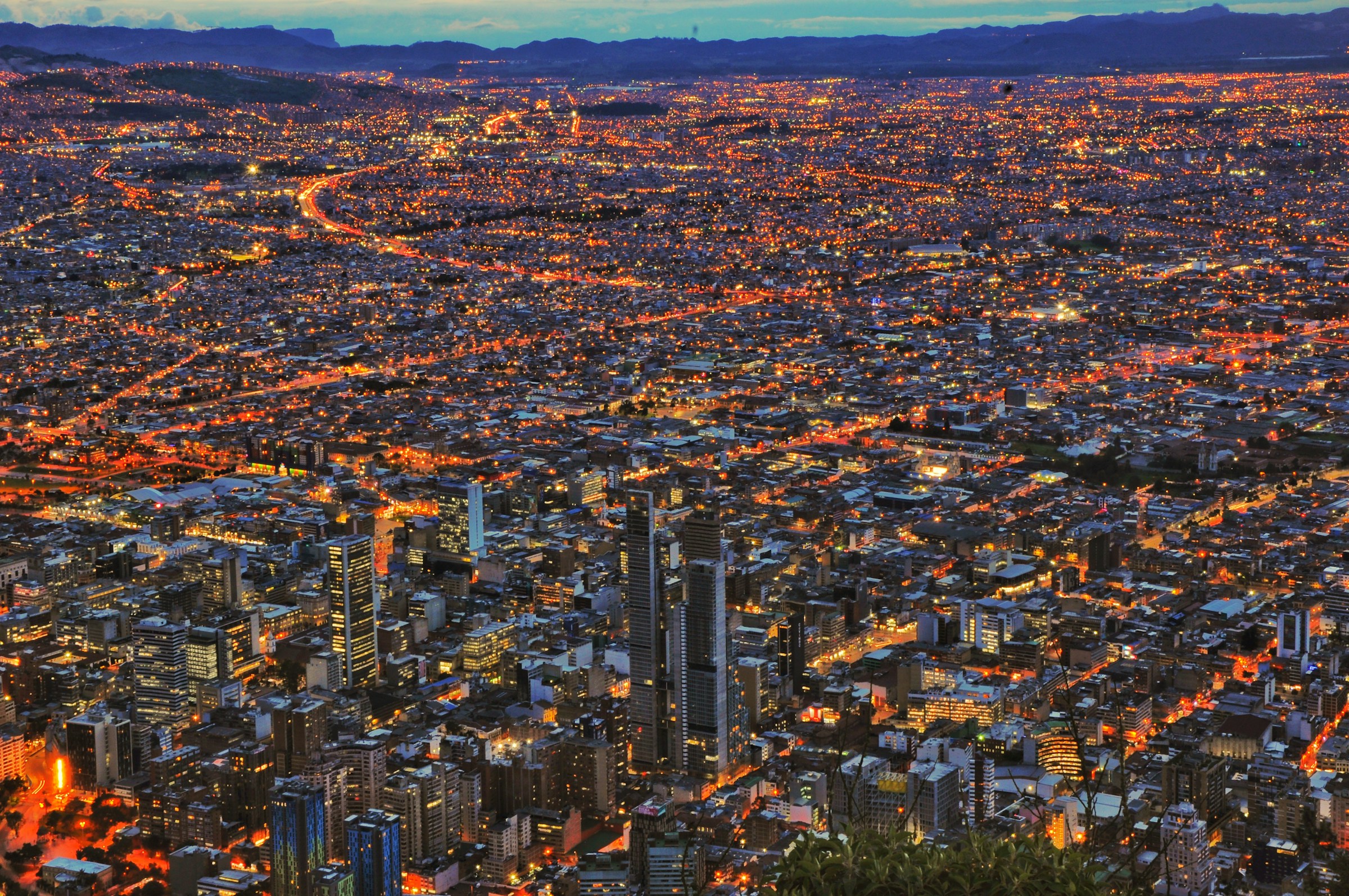
Bogotá is Colombia’s capital and largest city — a metropolis of over 8 million people sitting at 2,640 meters (8,660 feet) in the Andes. It is the political, economic, and cultural center of the country, and it is home to the highest concentration of top-ranked hospitals in Colombia.
If Medellín is where patients go to recover in eternal spring, Bogotá is where they go for the most complex procedures and the deepest bench of medical specialists. The city’s hospitals routinely handle cases that require subspecialty expertise not available elsewhere in the country — complex cardiac surgery, advanced oncology, organ transplants, and high-risk surgical cases.
But Bogotá is far more than its hospitals. Known as La Atenas Suramericana (The South American Athens), it is a city of extraordinary cultural wealth — world-class museums, a thriving restaurant scene that has put it on the global gastronomy map, colonial architecture alongside ultramodern towers, and an intellectual energy that comes from being the seat of government and the country’s leading universities.
The Hospitals
Bogotá is where Colombia’s medical firepower is most concentrated. According to the Newsweek World’s Best Hospitals 2025 rankings, 7 of Colombia’s top 15 hospitals are located in Bogotá:
| Hospital | Colombia Rank | Score | Specialties |
|---|---|---|---|
| Fundación Santa Fe de Bogotá | #2 | 90.62% | Comprehensive — oncology, cardiac, neurosurgery, transplants |
| Fundación Cardioinfantil LaCardio | #4 | 88.63% | Cardiac surgery, pediatric cardiology, electrophysiology |
| Fundación Clínica Shaio | #5 | 87.86% | Cardiovascular medicine, vascular surgery |
| Hospital Universitario San Ignacio | #8 | 83.44% | Teaching hospital, full-service, research |
| Clínica Del Country | #10 | 81.93% | General surgery, international patients, premium facilities |
| Clínica Reina Sofía | #11 | 80.38% | Full-service, international patient department |
| Clínica de Marly | #12 | 79.61% | General surgery, ophthalmology, orthopedics |
This concentration of medical excellence makes Bogotá the strongest choice for patients requiring complex or high-risk procedures, or those who want access to the broadest range of subspecialists in one city.
For a full overview of Colombian healthcare quality, see our guide: Healthcare in Colombia vs the USA.
Where to Stay
Usaquén
Usaquén is Bogotá’s most charming upscale neighborhood. Originally a separate colonial town that was absorbed into the growing city, it retains its village character — cobblestone streets, a central plaza, whitewashed colonial buildings, and a famous weekend flea market. Today it is lined with some of Bogotá’s best restaurants, boutique hotels, and specialty shops.
For medical tourists:
- Several of Bogotá’s top hospitals (Fundación Santa Fe, Clínica Del Country, Clínica Reina Sofía) are located in or near Usaquén
- Safe, walkable, and well-policed
- Luxury hotels: JW Marriott Bogotá, Hilton Bogotá Corferias, and several boutique options
- Furnished apartments available for longer stays ($1,200-$3,500/month for luxury properties)
Zona T and Zona G
The heart of Bogotá’s upscale social and dining scene. Zona T (the T Zone) is a pedestrianized area of high-end shops, restaurants, and bars. Adjacent Zona G (the G Zone, where “G” stands for gourmet) is the city’s premier dining district.
For medical tourists:
- Central location within the northern upscale corridor
- Walking distance to excellent restaurants and shopping
- Hotels: W Bogotá, Four Seasons Casa Medina, B.O.G Hotel (design hotel)
- Close to Fundación Cardioinfantil and other major hospitals
Chapinero Alto
Bogotá’s trendiest neighborhood. A mix of colonial houses, modern apartments, creative studios, specialty coffee shops, and some of the city’s most innovative restaurants. Younger, more bohemian than Usaquén, but equally safe and walkable in the upper (Alto) section.
Where to Eat
Bogotá is one of Latin America’s most exciting food cities. The restaurant scene has matured dramatically in the past decade, earning international recognition and a growing number of accolades.
Fine dining
- Leo: Chef Leonor Espinosa’s flagship. Named the best restaurant in Colombia and consistently ranked on the World’s 50 Best Restaurants list. Colombian ingredients and indigenous culinary traditions reimagined through a contemporary lens. Expect $100-$150 per person.
- El Cielo Bogotá: Chef Juan Manuel Barrientos’ multi-sensory tasting menu. Holds a Michelin star — one of the few in Colombia. A theatrical dining experience unlike anything else in South America. $80-$120 per person.
- Villanos en Bermudas: Contemporary Colombian cuisine in a relaxed, creative setting. Consistently ranked among the city’s best. Seasonal tasting menus.
- Salvo Patria: Modern Colombian fare with a focus on local sourcing. Beautiful space in Chapinero. Excellent wine list.
- Criterio: Upscale French-Colombian fusion in Zona G. Classic technique, local ingredients. The city’s power-lunch destination.
Upscale casual
- Andrés Carne de Res: Not fine dining — an experience. A massive, maximalist Colombian restaurant-nightclub-theme park that defies description. The original is in Chía (30 minutes north); a city location is in Zona T. If you eat at one place in Colombia that is purely for the experience, this is it.
- La Puerta Falsa: The oldest restaurant in Bogotá (since 1816). Tiny, traditional, serving tamales and chocolate santafereño. A piece of living history steps from Plaza Bolívar.
- Mini-Mal: Eduardo Martínez’s tribute to Colombian biodiversity. Unique ingredients from every region of the country, elegantly presented.
- Prudencia: Bogotá’s newest fine-casual sensation. Local ingredients, minimalist presentation, and a deep respect for Colombian food traditions.
Coffee
- Azahar Coffee: Specialty roaster with multiple locations. Direct-trade Colombian beans. Stunning latte art.
- Catácion Pública: Coffee education and tasting experiences. For patients who want to understand Colombian coffee at a deeper level.
- Libertario: Third-wave coffee in Chapinero. Minimalist aesthetic, exceptional pour-over.
What to Do During Recovery
Gentle activities
- Museo del Oro (Gold Museum): One of the most important museums in the Americas. Over 55,000 pieces of pre-Columbian gold artifacts. Free on Sundays. Air-conditioned, accessible, and not physically demanding. A must-see.
- Museo Nacional: Colombia’s oldest and largest museum. Housed in a former prison, covering Colombian history from pre-Columbian times to the present.
- Museo Botero: Free museum featuring works by Fernando Botero and his personal collection of Picasso, Monet, Renoir, Dalí, and others. Located in La Candelaria.
- La Candelaria: Bogotá’s colonial heart. Cobblestone streets, colorful facades, historic churches, and street art. Best explored during the day at a gentle pace.
- Usaquén Flea Market: Every Sunday, the streets of Usaquén fill with artisan vendors, food stalls, and live music. Handmade jewelry, leather goods, textiles, and Colombian crafts. A perfect low-key recovery activity.
- Shopping: Andino, Atlantis Plaza, and El Retiro are Bogotá’s premier shopping centers — featuring international luxury brands, Colombian designers, and excellent food courts.
More active
- Monserrate: A mountaintop sanctuary at 3,152 meters (10,341 feet) overlooking the city. Accessible by cable car or funicular. The views of Bogotá and the surrounding Andes are breathtaking. There is a restaurant at the top. Only for patients who are well into recovery — the altitude is noticeable.
- Ciclovia: Every Sunday and holiday, Bogotá closes over 120 kilometers of roads to vehicle traffic. Millions of residents walk, jog, cycle, and rollerblade through the city streets. It is the largest regular car-free event in the world and an extraordinary experience. Participate as a walker or spectator.
- Salt Cathedral of Zipaquirá: An underground cathedral built inside a salt mine, 50 minutes north of Bogotá. One of Colombia’s most visited attractions. Guided tours available in English.
- Villa de Leyva: A perfectly preserved colonial town 3.5 hours northeast of Bogotá. Cobblestone streets, whitewashed buildings, and one of the largest main squares in South America. Excellent weekend trip for patients later in recovery.
Getting Around
- Uber: Widely available and the primary transport mode for international patients. Rides across the city typically cost $3-$8. Also InDriver and DiDi.
- TransMilenio: Bogotá’s bus rapid transit system. Efficient but crowded during rush hours. Not recommended for post-surgical patients but useful to understand the city’s infrastructure.
- Private driver: Hire for $50-$100/day. Recommended for patients who want door-to-door comfort, especially in the first week after surgery.
- Walking: Usaquén, Zona T, and Zona G are walkable. Bogotá is generally flatter than Medellín within the northern corridor, making walking comfortable. Be aware that the altitude (8,660 feet) can cause mild breathlessness for the first day or two.
Getting There
El Dorado International Airport (BOG) is the busiest airport in Colombia and one of the busiest in Latin America, serving as the primary hub for Avianca. It offers the most extensive network of international flights to any Colombian city.
Direct flights:
- Miami (MIA) → Bogotá (BOG): 3.5 hours — Avianca, American, LATAM
- New York (JFK) → BOG: 5 hours — Avianca, JetBlue
- Houston (IAH) → BOG: 4.5 hours — United
- Los Angeles (LAX) → BOG: 6.5 hours — Avianca
- Toronto (YYZ) → BOG: 5.5 hours — Avianca
- London (LHR) → BOG: 10.5 hours — Avianca
- Madrid (MAD) → BOG: 10 hours — Avianca, Iberia
- Frankfurt (FRA) → BOG: 11 hours — Avianca
The airport is located within the city limits, approximately 30-45 minutes from the northern upscale neighborhoods depending on traffic. Bogotá’s traffic can be heavy during rush hours (7-9 AM and 5-7 PM) — plan airport transfers accordingly.
The Climate
Bogotá’s climate is different from Medellín and worth understanding before you travel:
- Temperature: 50-65°F (10-18°C) year-round. Bogotá is significantly cooler than Medellín due to its higher altitude. Pack layers — mornings can be chilly, afternoons comfortable.
- Rain: Bogotá has two drier seasons (December-February and July-August) and two wetter seasons (March-May and September-November). Rain tends to come in the afternoon.
- Altitude: At 2,640 meters (8,660 feet), Bogotá is significantly higher than Medellín. Most healthy people adjust within 1-2 days, but some experience mild altitude effects (breathlessness, fatigue, headache) on arrival. Drink plenty of water and take it easy on day one. Patients with cardiovascular or pulmonary conditions should discuss the altitude with their physician before traveling.
For recovery: Bogotá’s cooler climate is comfortable for some patients — particularly those recovering from procedures where heat and swelling are concerns. Others prefer Medellín’s warmer weather. It is a matter of personal preference. Both cities offer excellent medical care.
Bogotá vs Medellín: Which Is Right for You?
| Factor | Bogotá | Medellín |
|---|---|---|
| Medical infrastructure | Largest — 7 of top 15 hospitals | Strong — 3 of top 17 hospitals |
| Best for | Complex procedures, cardiac, oncology, subspecialties | Cosmetic surgery, dental, stem cells, general procedures |
| Climate | 50-65°F, cool, layering needed | 70-78°F, perfect spring weather |
| Altitude | 8,660 feet (higher, may affect some patients) | 4,905 feet (comfortable for nearly everyone) |
| Dining scene | More diverse, Michelin-recognized | Excellent, slightly less depth |
| Cultural attractions | World-class museums, colonial history, theater | Urban transformation story, street art, nature |
| Size and pace | Large metropolis (8M+), busier, more traffic | Smaller city (2.5M), more relaxed |
| International flights | Most extensive route network in Colombia | Growing, strong US connections |
| Recovery vibe | Cosmopolitan, intellectual, cultural immersion | Relaxed, outdoor-focused, spring weather |
The simple guide: If your procedure is complex or highly specialized, Bogotá gives you access to the deepest medical bench in Colombia. If your procedure is more common (cosmetic surgery, dental, stem cells) and you prioritize recovery environment, Medellín’s weather and lifestyle are hard to beat. Both cities deliver world-class care. You cannot go wrong with either.
Safety in Bogotá
The same principles apply as in Medellín — see our detailed guide: Is Colombia Safe for Medical Tourists?
- Stay in the northern upscale corridor: Usaquén, Zona T, Zona G, Chapinero Alto
- Use Uber. Do not hail taxis from the street.
- Common-sense precautions apply — no flashy jewelry, keep passport copies, avoid unfamiliar areas at night
- Bogotá has a larger police presence than most Colombian cities, particularly in tourist and upscale areas
Medical Procedures Available in Bogotá
Bogotá has specialist clinics and hospitals covering every medical tourism category:
- Stem Cell Therapy
- Plastic and Cosmetic Surgery
- Dental Implants and Veneers
- Bariatric Surgery
- IVF and Fertility Treatment
- Orthopedic Surgery
- Anti-Aging and Longevity
- LASIK and Eye Surgery
- Hair Transplant
- Cardiac Surgery, Oncology, and Other Procedures
Your Next Step
If Bogotá is the right city for your medical journey, the first step is a free consultation with a specialist. Tell us what procedure you are considering, and we will connect you with the right doctor in Bogotá.
Learn more about why patients choose Colombia, or read how the entire process works.