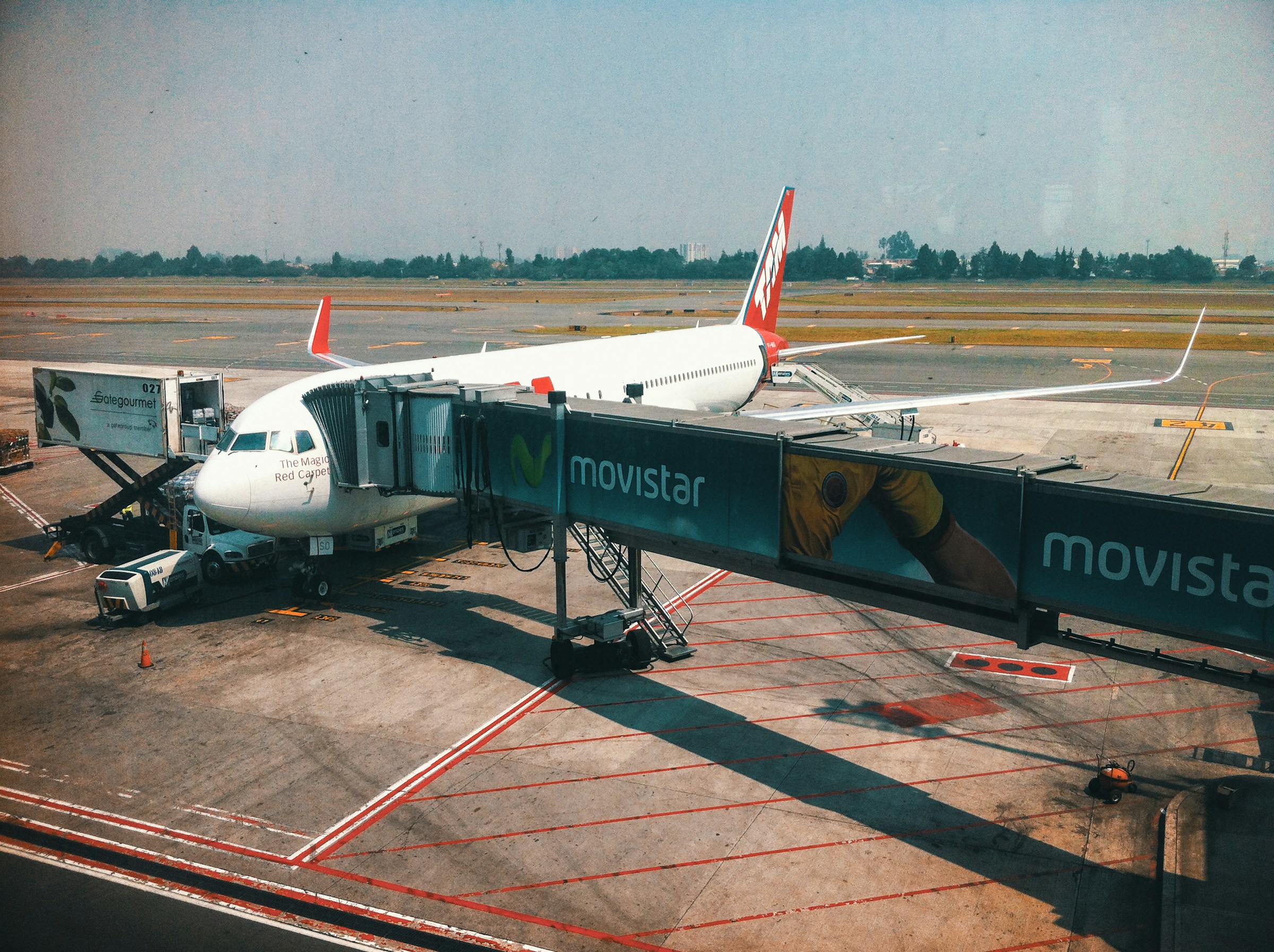
You have decided to explore medical treatment in Colombia. Now what? This guide covers every practical detail — flights, visas, money, phones, what to pack, where to stay, and what to expect when you land.
Do I Need a Visa?
Citizens of the United States, Canada, the United Kingdom, the European Union, Australia, Japan, South Korea, and most other Western countries do not need a visa to enter Colombia for stays of up to 90 days. You receive a tourist stamp at immigration upon arrival. This 90-day period can be extended once for an additional 90 days at a Migración Colombia office.
You will need:
- A passport valid for at least 6 months beyond your travel dates
- A return or onward flight ticket
- Proof of accommodation (hotel booking or recovery house confirmation)
For the most up-to-date visa requirements for your specific nationality, check the Colombian Ministry of Foreign Affairs website.
Flights to Colombia
Colombia is well connected to North America and Europe with direct flights to its two main international airports:
El Dorado International Airport (BOG) — Bogotá. The busiest airport in Colombia and one of the busiest in Latin America. Direct flights from Miami, New York (JFK and Newark), Houston, Los Angeles, Fort Lauderdale, Atlanta, Dallas, Toronto, London, Madrid, Frankfurt, and many more.
José María Córdova International Airport (MDE) — Medellín (located in Rionegro, about 45 minutes from the city center). Direct flights from Miami, Fort Lauderdale, New York, Houston, and several Latin American hubs.
Approximate flight times from major cities:
| From | To Bogotá (BOG) | To Medellín (MDE) |
|---|---|---|
| Miami, FL | 3.5 hours | 3.5 hours |
| New York, NY | 5 hours | 5 hours |
| Houston, TX | 4.5 hours | 4.5 hours |
| Los Angeles, CA | 6.5 hours | 7 hours (connection) |
| Toronto, Canada | 5.5 hours | 6 hours |
| London, UK | 10.5 hours | 11 hours (connection) |
| Frankfurt, Germany | 11 hours | 12 hours (connection) |
Major airlines serving Colombia: Avianca (Colombia’s national carrier), American Airlines, United Airlines, Delta, JetBlue, Spirit, Copa Airlines, LATAM, Iberia, Air France, Lufthansa, and Turkish Airlines.
Tip: Flights from Miami and Fort Lauderdale to Medellín or Bogotá are frequently available for $200-$400 round trip, especially if booked 3-6 weeks in advance. Use Google Flights to track prices.
When to Visit
Colombia sits near the equator, so there are no traditional seasons. The weather is determined by altitude, not time of year.
- Medellín: 70-80°F (21-27°C) year-round. The “City of Eternal Spring.” Comfortable every month. Rainier months are April-May and October-November, but rain typically comes in short afternoon showers, not all-day downpours.
- Bogotá: 50-65°F (10-18°C) year-round. Cooler due to its higher altitude (8,660 feet). Bring a light jacket. Drier months are December-March and July-August.
- Cartagena: 80-90°F (27-32°C) year-round. Tropical Caribbean climate. Hot and humid. Best months are December-April (dry season).
- Cali: 75-85°F (24-30°C) year-round. Warm and pleasant.
Bottom line: You can visit Colombia for medical treatment any time of year. Medellín’s climate is ideal for recovery — not too hot, not too cold, never freezing.
Money and Currency
Colombia’s currency is the Colombian Peso (COP). As of May 2026, the exchange rate is approximately 1 USD = 3,794 COP.
Practical tips:
- US dollars are not widely accepted. You will need Colombian Pesos for daily expenses (restaurants, taxis, shops). However, most hospitals and clinics accept credit card payments in USD.
- ATMs are everywhere. Use ATMs at major banks (Bancolombia, Davivienda, BBVA) inside shopping malls or bank branches for security. Avoid street ATMs. Typical withdrawal limit is 600,000-1,000,000 COP per transaction (~$160-$260).
- Credit cards are widely accepted in restaurants, hotels, and shops in El Poblado (Medellín), Usaquén (Bogotá), and tourist areas. Visa and Mastercard work everywhere. Amex is less common.
- Bring a no-foreign-transaction-fee card. Cards like the Chase Sapphire, Capital One Venture, or Wise debit card avoid the 3% foreign transaction fee most US banks charge.
- Tipping: Restaurants typically add a 10% “propina” to the bill and ask if you would like to include it. You can say yes or no. For other services, tipping is appreciated but not expected.
Phone and Internet
- Wi-Fi is excellent in Colombian cities. Hotels, restaurants, cafes, hospitals, and recovery houses all have reliable Wi-Fi.
- Buy a local SIM card at the airport upon arrival. Claro, Movistar, and Tigo all sell prepaid SIM cards with data plans for approximately $5-$15 USD for 5-10 GB. You will need your passport to activate.
- WhatsApp is king. Colombians use WhatsApp for everything — business, personal, and medical communication. Your hospital coordinator will likely communicate with you via WhatsApp. Download it before you arrive if you do not already have it.
- International calling: Use WhatsApp calls or FaceTime over Wi-Fi to call home for free.
Where to Stay
Medical tourists have several accommodation options:
Recovery houses: Purpose-built or adapted facilities specifically for medical tourism patients. They typically include nursing support, healthy meals, transportation to appointments, and a comfortable recovery environment. Prices range from $50-$150/night including meals and nursing check-ins.
Hotels: Standard hotels in El Poblado (Medellín), Usaquén (Bogotá), or Bocagrande (Cartagena) range from $40-$120/night. Many have experience hosting medical tourists and can accommodate special needs.
Airbnb apartments: Available from $30-$80/night. A good option for longer stays (2+ weeks) or patients traveling with a companion. Look for listings in El Poblado, Laureles (Medellín), or Usaquén (Bogotá).
Recommendation: For the first few days after surgery, a recovery house is the safest option. After that, transitioning to a hotel or apartment for the remainder of your stay works well.
Getting Around
- Uber is widely available and reliable in Medellín, Bogotá, and Cali. It is the safest and most convenient way to get around. Rides within the city typically cost $2-$6 USD.
- Do not hail taxis from the street. The US State Department specifically advises against this. If you must take a taxi, have your hotel or hospital call one for you, or use the InDriver or Cabify apps.
- Hospital transportation: Most hospitals and clinics offer airport pickup and transportation to and from appointments. This is often included in medical tourism packages or available for a small additional fee.
- The Medellín Metro is modern, clean, and safe during daytime hours. It connects major areas of the city. However, during the first days after surgery, Uber or private transport is more comfortable.
Language
The official language of Colombia is Spanish. In major hospitals and clinics that treat international patients, staff typically speak English. However, outside the hospital, English is not widely spoken.
Helpful basics:
- Google Translate works well for real-time conversation (download the Spanish language pack for offline use)
- Your hospital coordinator typically serves as your translator for all medical interactions
- In El Poblado (Medellín) and tourist areas of Cartagena, many restaurant and hotel staff speak basic English
- Colombians are extremely patient and helpful with visitors who do not speak Spanish
What to Pack
Documents:
- Passport (valid 6+ months)
- Printed copy of your hospital confirmation and appointment details
- Printed copy of your travel insurance policy
- Any medical records, imaging (MRI, X-ray), or bloodwork your doctor requested
- A list of current medications
- Emergency contact information
Clothing:
- Loose, comfortable clothing for recovery (button-up shirts, elastic-waist pants, slip-on shoes)
- Light layers for Medellín; a jacket for Bogotá
- Comfortable walking shoes for when you are feeling better
- Compression garments if instructed by your surgeon (or purchase in Colombia — Colombian fajas are world-renowned)
Other essentials:
- Phone charger and universal adapter (Colombia uses Type A and B plugs, same as the USA — no adapter needed for Americans)
- Prescription medications in original packaging with a doctor’s note
- Entertainment for recovery (tablet, books, downloaded shows)
- A neck pillow for the flight home (especially after facial or upper body procedures)
Travel Insurance
We strongly recommend purchasing travel insurance that covers:
- Medical emergencies and evacuation
- Trip cancellation and interruption
- Baggage loss or delay
Some policies exclude coverage for elective medical procedures performed abroad. Read the fine print. Companies like World Nomads, IMG Global, and Allianz offer plans that can cover medical tourism trips, but you must verify coverage details before purchasing.
Safety Recap
We cover safety in detail in our dedicated article, but the essential tips for your trip:
- Use Uber or hospital-arranged transport. Never hail a street taxi.
- Stay in recommended neighborhoods (El Poblado, Laureles, Usaquén, Bocagrande).
- Keep a photocopy of your passport. Leave the original in your hotel safe.
- Do not wear flashy jewelry or carry large amounts of cash.
- Use your hospital coordinator for any questions or concerns.
A Typical Medical Trip Timeline
| Day | What Happens |
|---|---|
| Day 1 | Arrive in Colombia. Airport pickup. Transfer to hotel or recovery house. Rest. |
| Day 2 | Pre-operative consultation with your surgeon. Lab work and any required tests. |
| Day 3 | Procedure day. Admit to hospital. Surgery. Overnight stay (if required). |
| Days 4-7 | Initial recovery. Follow-up appointments. Rest at recovery house or hotel. |
| Days 8-14 | Continued recovery. Light activity. Explore the city as you feel up to it. Follow-up with surgeon. |
| Day 14+ | Final check-up with surgeon. Clearance to fly. Return home. |
Timelines vary by procedure. Simple procedures (dental, LASIK) may require only 3-5 days total. Complex procedures (joint replacement, bariatric surgery) may require 2-3 weeks.
Before You Go: Checklist
- Passport valid for 6+ months
- Flights booked
- Hospital confirmation and appointment details
- Accommodation booked (recovery house or hotel)
- Travel insurance purchased
- Medical records and imaging sent to your doctor
- Prescriptions packed in original packaging
- Loose, comfortable recovery clothing packed
- No-foreign-transaction-fee credit card
- WhatsApp downloaded on your phone
- Spanish language pack downloaded in Google Translate
- Emergency contacts written down